
You probably rely on subscriptions for streaming movies or daily software. Yet, a massive shift is happening in the corporate world regarding these monthly plans. Today, a customer might actually ask a tech expert to break into their computer network on purpose.
This surprising request drives a booming industry known as hacking as a services. We used to picture digital trespassing as the work of a lone genius in a dark hoodie. Now, it operates like a corporate franchise where companies rent digital toolkits to test their own digital doors.
According to recent industry data, cybersecurity 2026 marks a turning point for accessible security testing. Instead of waiting for a disaster, ordinary businesses are actively seeking out simulated strikes to find their weak spots before actual criminals do.
Deciding to hire a hacker sounds dangerous, but it is quickly becoming the best way to keep your personal data safe. By employing professional offensive security teams, modern companies ensure their digital defenses will actually survive the real world.
How ‘Hacking as a Service’ Turned Digital Theft into a Subscription Model
Just as consumers rely on entertainment subscriptions, criminals now purchase monthly access for their digital toolkits. In the past, stealing digital data required a computer genius. Today, thieves just need a web browser and a few dollars to rent ready-made digital tools.
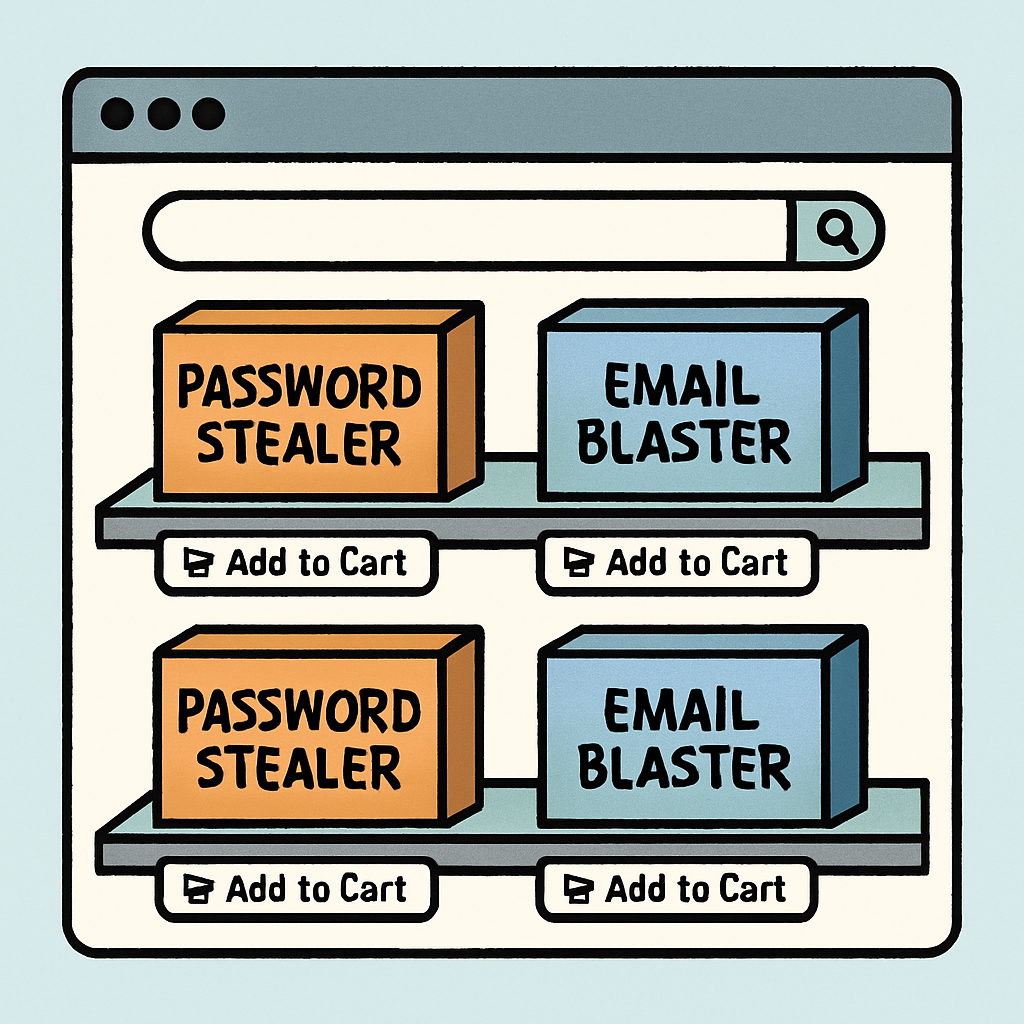
This new business model thrives in hidden corners of the internet called dark web cybercrime marketplaces. Think of these websites as an Amazon for illegal goods. Buyers can easily browse listings for digital lockpicks, handing advanced weapons to ordinary criminals without any coding skills.
What exactly sits on these digital shelves to create such massive cybersecurity threats?
- Stolen streaming logins: Account access sold for just a dollar.
- Phishing kits: Pre-packaged fake websites built to steal your passwords.
- Ransomware rentals: Programs that lock a doctor’s office out of their files until they pay.
Because this rental system is so cheap, the daily volume of attacks has skyrocketed, making even tiny local businesses targets for sophisticated scams. To counter these accessible rented weapons, organizations are increasingly turning to professional ethical hackers as their primary line of defense.
The Good Guys for Hire: Why Professional Ethical Hackers are Your Best Defense
Just as criminals rent digital weapons, businesses can hire good guys to fight back. Instead of waiting for a break-in, companies pay professional ethical hackers to deliberately test their digital doors. Exploring managed offensive security benefits reveals how simulating a digital attack actually keeps your personal data much safer in the long run.
To beat a digital thief, these experts must think exactly like one. This offensive squad is known as a Red Team, a group of hired professionals who safely try to break into a company’s network using the very same tricks criminals use. They act like friendly burglars testing your home’s windows to show you exactly where the locks are weak.
Once those weak spots are discovered, the defensive squad steps in to fix them. The Blue Team acts as the digital security guards who patch the uncovered holes. Together, this red team vs blue team security game creates powerful proactive threat hunting strategies. They actively find and fix vulnerabilities before a real criminal even knows they exist.
While hiring someone to break into systems sounds incredibly risky, operating within strict legal frameworks makes this cooperative defense the absolute smartest way to keep everyday users protected from rented cyber threats.

Is Hiring a Hacker Legal? Navigating the Rules of Ethical Cybersecurity
People often ask: is hiring an ethical hacker legal? The short answer is yes, but only under strict conditions. When a business requests professional penetration testing services, the difference between a crime and a lawful test is permission. Without explicit consent, any digital trespassing remains absolutely illegal.
Finding the right expert means looking for verified trust alongside technical skills. Reputable defenders hold recognized credentials, like the Certified Ethical Hacker (CEH) badge. This certification proves they understand criminal tactics but follow a strict code of conduct. Booking a certified ethical hacking consultation ensures you are hiring a legitimate, vetted professional rather than a risky amateur.
Before testing begins, true professionals demand paperwork to establish safe boundaries. A legal hacking agreement must include this three-point checklist:
- Written authorization: Official, documented permission from the system’s owner to perform the test.
- Defined scope of work: Strict rules detailing exactly which digital doors the hacker can and cannot test.
- NDA: A legally binding Non-Disclosure Agreement to keep any discovered weaknesses completely confidential.
Establishing these legal safeguards ensures defenders can safely secure digital property without overstepping, but this level of authorized protection requires a calculated financial investment.
From $50 Passwords to Enterprise Audits: The Real Cost of Security Assessments
Just like buying home security, digital protection prices depend on whether you want a simple alarm or a human guard. When learning how to conduct a cyber security audit, businesses must choose between software and people. The main difference between pen testing and vulnerability scanning is simple: scanning uses automated programs to check for known weak spots, while penetration testing involves a human actively trying to break in.
Naturally, the cost of third party security assessments varies drastically based on this human element. A typical pricing structure looks like this:
- Basic automated scan ($500): Software quickly checks your digital locks for common mistakes.
- Professional network audit ($5k-$10k): A human expert spends days finding hidden backdoors.
- Enterprise Red Team exercise ($25k+): A full-scale mock-attack testing both your technology and employees.
Spending thousands on testing might sound expensive, but it is actually a massive money-saver. Recovering from a real cyberattack—including lost business and restoring locked files—often costs hundreds of thousands of dollars. Paying a professional to find your weaknesses is incredibly cheap compared to letting a criminal find them first.
Budgeting is only the first step; as growing demand has unfortunately attracted shady operators, businesses must learn to carefully vet any potential security partner.
Spotting the Red Flags: How to Choose a Subscription-Based Security Partner
Finding a trustworthy expert requires looking beyond flashy websites. Many businesses now use subscription based security testing, paying a monthly fee for continuous monitoring. To vet these partners securely, you must check their history, request plain-English reports, verify their methods, and confirm ongoing support.
Another clever approach involves bug bounty programs for enterprises, which operate like digital “Wanted” posters. Instead of hiring one specific agency, a company offers cash rewards to any independent ethical hacker who finds a system flaw. This crowdsourced method guarantees multiple experts are constantly hunting for blind spots.
Protecting these digital assets is vital since employees frequently work from anywhere. Because company files rarely live on a single office computer anymore, remote security testing for cloud environments is essential. These tests ensure your online storage folders remain tightly locked, regardless of where your staff logs in.
Pairing ongoing strategies with an on-demand vulnerability assessment gives you a complete safety net, acting as crucial quality control against digital trespassers whenever you add new software.

Your 3-Step Plan to Stay Safe in the Era of On-Demand Hacking
You now understand the modern cybercrime industry well enough to see past the hoodie-wearing genius myth. Hacking is a franchised business, but that corporate structure actually makes your personal defense strategy much simpler. As experts look toward cybersecurity 2026, the focus is shifting from stopping individual hackers to disrupting these massive digital storefronts.
You do not need to perform a complex network infrastructure security evaluation to protect your home. Instead, start your safety plan by turning on Two-Factor Authentication for your email and bank accounts today. This simple extra step acts like a deadbolt on your digital front door, rendering those rented passwords completely useless against you.
Once you feel comfortable with that extra layer of security, take your next step by updating your most critical passwords. Think of this routine digital hygiene as a vital part of maintaining your safety, much like checking the locks before bed. Every time you secure an account, you actively remove yourself from automated target lists.
The cybercrime economy might be highly organized, but it relies entirely on finding easy targets. By taking control of your daily habits, you transform yourself from a profitable opportunity into a frustrating dead end.
More Here
- 2026 EXAM CHAOS: DARKWEB OPERATOR LEAKS FULL EDEXCEL & AQA SUITES
- Customer is asking me to hack them if I can: r cybersecurity 2026
- Best Crypto Casinos in 2026: Top Safe & Fast Bitcoin Gambling Sites
- Find and Hire Extraordinary Certified Ethical Hackers in April 2026
- Complete hacking: Hijacking Social Media and Social Engineering in 2026